Serving Indiana Counties: Porter, Lake, LaPorte, Jasper, Newton
ICF Pool Installation near Porter County, Indiana
Valpo Excavation and Septic is Committed to superior quality and results!

AVOID COSTLY MISTAKES:
Do NOT hire an excavating contractor without first reading our free guide:
The ULTIMATE Excavation & Septic "Success Guide."

ICF Pool Installation Near Porter County, Indiana: What Homeowners Need to Know
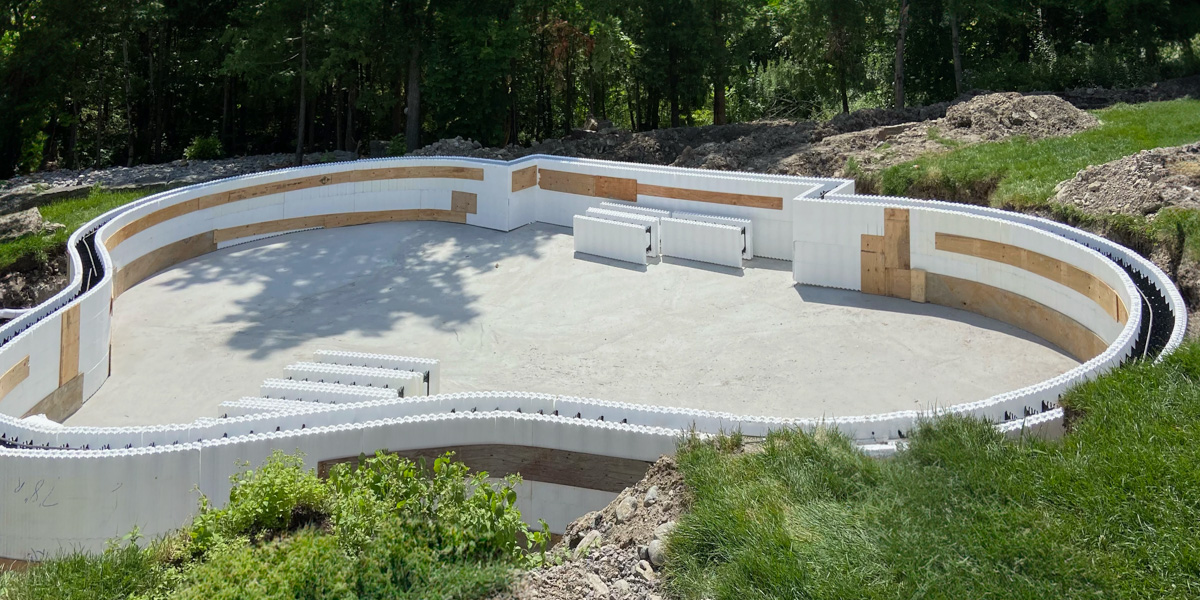
ICF pool installation in Porter County begins with building a strong and stable foundation that can support the pool for years to come. Before the pool structure is installed, the ground must be properly excavated and leveled to ensure it can handle the weight and pressure without shifting or settling. Without this critical step, even high quality materials may experience long term structural issues.
Insulated concrete forms are designed to create durable and reinforced pool structures, but their performance depends on accurate excavation and a properly leveled base. In an area where soil movement and seasonal changes are common, having a solid foundation helps reduce the risk of cracking or instability. When the groundwork is done correctly, it improves the strength, reliability, and long term performance of the entire ICF pool system
How Can We Help?
ICF Pool Installation Cost in Porter County, Indiana
The cost of ICF pool installation depends on several key factors, and understanding these helps homeowners plan their budget more effectively. While pricing can vary from project to project, much of the cost is influenced by the work required to properly prepare and support the pool. Evaluating these elements early helps avoid unexpected expenses.
One of the biggest cost factors is site conditions and the level of excavation required. Properties with uneven terrain, difficult access, or unstable ground may need more detailed work to create a level and secure base. Soil conditions also play a role, as rocky or soft soil can increase the complexity of excavation and require additional effort.
The size and design of the pool also impact overall pricing. Larger pools require more materials and labor, while custom designs or unique features can increase the level of precision needed during installation. These choices add to the cost but also allow homeowners to create a pool that fits their specific needs.
ICF foundations contribute to the overall investment by providing a strong and durable base. While they may increase upfront costs, they help reduce the risk of future structural issues and repairs. Labor costs also reflect the importance of skilled work, ensuring the pool is built correctly and performs well over time.
ICF Foundations for Swimming Pools: A Strong and Durable Base
ICF foundations are designed to provide a strong and durable base for swimming pools. They use reinforced concrete within insulated forms to create a stable structure.
This type of foundation distributes weight evenly across the base, reducing stress on specific areas. It also helps maintain the shape of the pool over time.
ICF systems are built to resist pressure from surrounding soil. This makes them a reliable option for long term durability.
When combined with proper excavation, ICF foundations create a solid support system that enhances overall performance.
They also contribute to improved efficiency by adding insulation to the structure.
A strong foundation is essential for ensuring the pool remains stable and functional.
Creating a Level Foundation for ICF Pool Installation
Leveling the ground is a critical step in ICF pool installation. A pool must sit on an even surface to maintain its structure and prevent unnecessary stress on the foundation.
An uneven base can lead to shifting, cracking, or uneven water levels. These issues can affect both the performance and appearance of the pool.
Proper grading ensures that the entire base is balanced and ready to support the structure. This step requires precision to achieve the correct elevation and alignment.
Leveling also plays a role in drainage. A properly graded site helps direct water away from the pool area, reducing the risk of damage.
By creating a level foundation, the pool is better equipped to handle daily use and environmental conditions.
This step ensures the pool installation starts with stability and accuracy.
Why a Solid Foundation Matters Before ICF Pool Installation
A solid foundation supports every part of the pool. Without it, the structure may shift or settle, leading to long term issues.
The foundation must handle the weight of the water, the pool structure, and the surrounding soil. This requires proper preparation and reinforcement.
ICF foundations provide added strength, but they depend on accurate excavation and leveling to perform correctly.
A well built base helps maintain the alignment and shape of the pool. This improves both safety and durability.
Investing in proper foundation work reduces the likelihood of repairs and maintenance issues.
Starting with a solid base ensures the pool performs as intended.
See Our Excavation and Septic Services

✔︎ Commercial Excavation
✔︎ Residential Excavation
✔︎ Demolition
✔︎ Large Pond Construction
✔︎ Small Pond Construction
✔︎ Dozer Work
✔︎ Septic Installs
✔︎ Septic Repairs
✔︎ Forestry Mulching
✔︎ Land Clearing
Quality Services Launched FAST!

✔︎ Grading & Lot Clearing
✔︎ French Drains
✔︎ Retaining Walls
✔︎ Sewer Repairs
✔︎ Drainage Systems
✔︎ Full Site Preparation
✔︎ Trenching
✔︎ Utilities Trenching
✔︎ Waterproofing
✔︎ Design Repair Install Pump Out
What Are You Waiting For?
How to Choose the Right ICF Pool Installation Company Near Porter County
Choosing the right company for ICF pool installation is a critical step that can directly impact the success and longevity of your project. Because this type of installation involves both precise excavation and the proper setup of an ICF foundation, it is important to work with a contractor who understands how these elements come together. A well qualified team will approach the project with a clear plan that ensures the pool is supported from the ground up.
Experience in both excavation and ICF systems is essential. These are not separate tasks but connected parts of the same process, and mistakes in one area can affect the entire structure. A contractor with hands-on experience will know how to properly prepare the ground and install the foundation so the pool remains stable over time.
Local knowledge also plays an important role. Soil conditions in Porter County can vary, and seasonal changes can influence how the ground behaves. A company that understands these factors will be better equipped to handle challenges such as soil movement or drainage concerns, reducing the risk of future structural issues.
Using the right equipment is another key factor in achieving accurate results. Proper excavation requires precision, and having the right tools ensures the site is shaped and leveled correctly. This level of accuracy is important for supporting the ICF foundation and maintaining the integrity of the pool structure.
Clear communication throughout the project helps keep everything on track. Homeowners should feel informed about each stage of the process, from excavation to foundation work. This transparency builds confidence and helps avoid misunderstandings during construction.
Finally, reviewing past projects can provide valuable insight into the quality of work a company delivers. Seeing completed installations helps confirm their ability to handle both excavation and ICF foundation work effectively, ensuring the pool is built on a strong and dependable base.

What Is Utility Trenching and When Do You Need It?
Building a new detached garage, pole barn, barndominium, or home addition is an exciting project. Most property owners focus on the structure itself, planning the layout, materials, and finishing touches. However, before the lights can turn on or the plumbing can function, those new structures need to be connected to essential services. That connection happens underground through utility trenching.

Utility trenching is a specialized form of excavation used to safely bury electrical lines, water pipes, sewer connections, and gas lines. Valpo Excavation and Septic LLC provides professional utilities trenching across Northwest Indiana, ensuring that new buildings are powered and plumbed correctly from the start.
Understanding the Utility Trenching Process
Trenching involves digging a narrow, deep channel specifically designed to house underground lines. Unlike general site grading or land clearing, trenching requires precision. The trench must be dug to a specific depth required by local building codes, which varies depending on whether the trench will hold water lines, electrical conduit, or sewer pipes.
For example, water lines must be buried deep enough to avoid freezing during harsh Indiana winters. Sewer lines require a precise slope so that gravity can carry wastewater away from the building and toward the municipal sewer or septic system.
The process also involves preparing the bottom of the trench with proper bedding material, such as sand or fine gravel, to protect the pipes or conduit from shifting rocks and soil pressure. Once the utilities are installed and inspected, the trench is carefully backfilled and compacted to prevent the ground from settling later.
The Importance of Calling 811 Before Digging
One of the most critical steps in any trenching project happens before a single shovel hits the dirt. The national "Call Before You Dig" service, known as 811, must be contacted a few business days before excavation begins.[1]
Calling 811 ensures that local utility companies come to the property and mark the approximate locations of existing buried lines using color coded paint or flags.[1] Digging without these locates is incredibly dangerous. Accidentally striking a buried electrical line, high pressure gas main, or fiber optic cable can cause severe injuries, massive repair bills, and service outages for the surrounding neighborhood.
Even if a homeowner believes they know where their lines run, shallow digging is still digging, and utilities can be buried just inches below the surface.[1] Professional excavation contractors manage this locate process to ensure the site is safe and compliant before work begins.
Choosing the Right Contractor
Utility trenching requires specialized equipment. While a homeowner might be tempted to rent a small trencher, navigating rocky soil, tree roots, and existing utilities is challenging. A professional contractor brings the right size excavator, understands local depth requirements, and knows how to manage the excavated soil so the property remains organized.
Whether you are running power to a new pole barn or connecting a home addition to the main water supply, professional trenching is the first step toward a successful build.
References
[1] https://www.transportation.gov/content/call-811-you-dig-1 "Call 811 Before You Dig | US Department of Transportation"









Hours: 6am to 6pm M-F
Extended hours by appointment only.
Address: 132 N 250 W Valparaiso, IN 46385 United States
All rights reserved | Client Support Area