Serving Indiana Counties: Porter, Lake, LaPorte, Jasper, Newton
ICF Pool Installation near Porter County, Indiana
Valpo Excavation and Septic is Committed to superior quality and results!

AVOID COSTLY MISTAKES:
Do NOT hire an excavating contractor without first reading our free guide:
The ULTIMATE Excavation & Septic "Success Guide."

ICF Pool Installation Near Porter County, Indiana: What Homeowners Need to Know
ICF pool installation in Porter County begins with building a strong and stable foundation that can support the pool for years to come. Before the pool structure is installed, the ground must be properly excavated and leveled to ensure it can handle the weight and pressure without shifting or settling. Without this critical step, even high quality materials may experience long term structural issues.
Insulated concrete forms are designed to create durable and reinforced pool structures, but their performance depends on accurate excavation and a properly leveled base. In an area where soil movement and seasonal changes are common, having a solid foundation helps reduce the risk of cracking or instability. When the groundwork is done correctly, it improves the strength, reliability, and long term performance of the entire ICF pool system
How Can We Help?
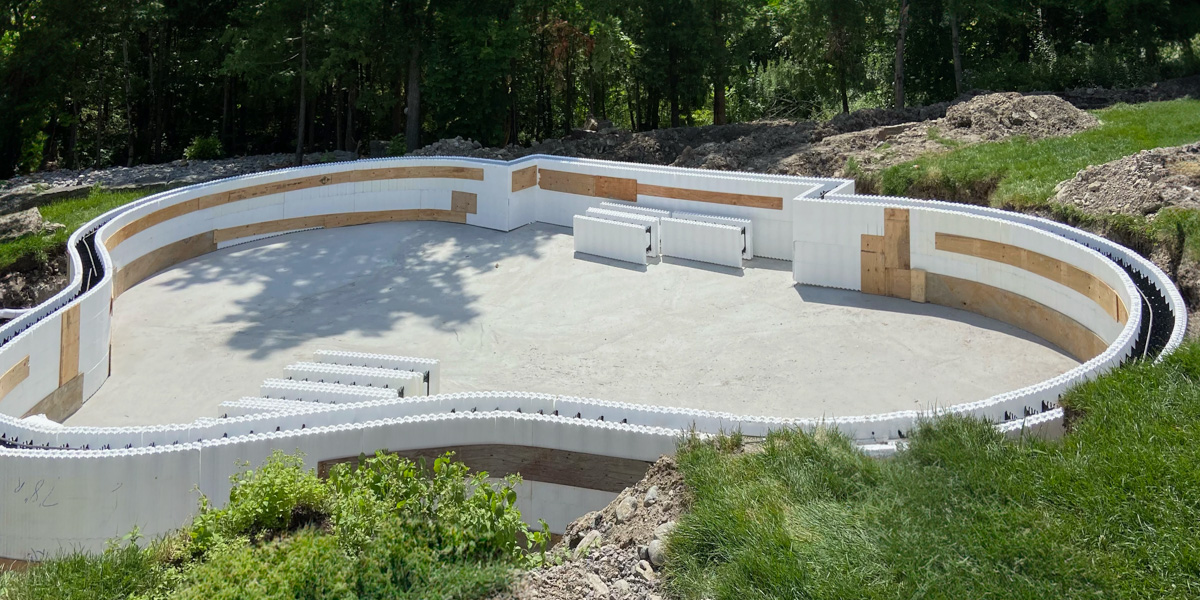
ICF Pool Installation Cost in Porter County, Indiana
The cost of ICF pool installation depends on several key factors, and understanding these helps homeowners plan their budget more effectively. While pricing can vary from project to project, much of the cost is influenced by the work required to properly prepare and support the pool. Evaluating these elements early helps avoid unexpected expenses.
One of the biggest cost factors is site conditions and the level of excavation required. Properties with uneven terrain, difficult access, or unstable ground may need more detailed work to create a level and secure base. Soil conditions also play a role, as rocky or soft soil can increase the complexity of excavation and require additional effort.
The size and design of the pool also impact overall pricing. Larger pools require more materials and labor, while custom designs or unique features can increase the level of precision needed during installation. These choices add to the cost but also allow homeowners to create a pool that fits their specific needs.
ICF foundations contribute to the overall investment by providing a strong and durable base. While they may increase upfront costs, they help reduce the risk of future structural issues and repairs. Labor costs also reflect the importance of skilled work, ensuring the pool is built correctly and performs well over time.
ICF Foundations for Swimming Pools: A Strong and Durable Base
ICF foundations are designed to provide a strong and durable base for swimming pools. They use reinforced concrete within insulated forms to create a stable structure.
This type of foundation distributes weight evenly across the base, reducing stress on specific areas. It also helps maintain the shape of the pool over time.
ICF systems are built to resist pressure from surrounding soil. This makes them a reliable option for long term durability.
When combined with proper excavation, ICF foundations create a solid support system that enhances overall performance.
They also contribute to improved efficiency by adding insulation to the structure.
A strong foundation is essential for ensuring the pool remains stable and functional.
Creating a Level Foundation for ICF Pool Installation
Leveling the ground is a critical step in ICF pool installation. A pool must sit on an even surface to maintain its structure and prevent unnecessary stress on the foundation.
An uneven base can lead to shifting, cracking, or uneven water levels. These issues can affect both the performance and appearance of the pool.
Proper grading ensures that the entire base is balanced and ready to support the structure. This step requires precision to achieve the correct elevation and alignment.
Leveling also plays a role in drainage. A properly graded site helps direct water away from the pool area, reducing the risk of damage.
By creating a level foundation, the pool is better equipped to handle daily use and environmental conditions.
This step ensures the pool installation starts with stability and accuracy.
Why a Solid Foundation Matters Before ICF Pool Installation
A solid foundation supports every part of the pool. Without it, the structure may shift or settle, leading to long term issues.
The foundation must handle the weight of the water, the pool structure, and the surrounding soil. This requires proper preparation and reinforcement.
ICF foundations provide added strength, but they depend on accurate excavation and leveling to perform correctly.
A well built base helps maintain the alignment and shape of the pool. This improves both safety and durability.
Investing in proper foundation work reduces the likelihood of repairs and maintenance issues.
Starting with a solid base ensures the pool performs as intended.
See Our Excavation and Septic Services

✔︎ Commercial Excavation
✔︎ Residential Excavation
✔︎ Demolition
✔︎ Large Pond Construction
✔︎ Small Pond Construction
✔︎ Dozer Work
✔︎ Septic Installs
✔︎ Septic Repairs
✔︎ Forestry Mulching
✔︎ Land Clearing
Quality Services Launched FAST!

✔︎ Grading & Lot Clearing
✔︎ French Drains
✔︎ Retaining Walls
✔︎ Sewer Repairs
✔︎ Drainage Systems
✔︎ Full Site Preparation
✔︎ Trenching
✔︎ Utilities Trenching
✔︎ Waterproofing
✔︎ Design Repair Install Pump Out
What Are You Waiting For?
How to Choose the Right ICF Pool Installation Company Near Porter County
Choosing the right company for ICF pool installation is a critical step that can directly impact the success and longevity of your project. Because this type of installation involves both precise excavation and the proper setup of an ICF foundation, it is important to work with a contractor who understands how these elements come together. A well qualified team will approach the project with a clear plan that ensures the pool is supported from the ground up.
Experience in both excavation and ICF systems is essential. These are not separate tasks but connected parts of the same process, and mistakes in one area can affect the entire structure. A contractor with hands-on experience will know how to properly prepare the ground and install the foundation so the pool remains stable over time.
Local knowledge also plays an important role. Soil conditions in Porter County can vary, and seasonal changes can influence how the ground behaves. A company that understands these factors will be better equipped to handle challenges such as soil movement or drainage concerns, reducing the risk of future structural issues.
Using the right equipment is another key factor in achieving accurate results. Proper excavation requires precision, and having the right tools ensures the site is shaped and leveled correctly. This level of accuracy is important for supporting the ICF foundation and maintaining the integrity of the pool structure.
Clear communication throughout the project helps keep everything on track. Homeowners should feel informed about each stage of the process, from excavation to foundation work. This transparency builds confidence and helps avoid misunderstandings during construction.
Finally, reviewing past projects can provide valuable insight into the quality of work a company delivers. Seeing completed installations helps confirm their ability to handle both excavation and ICF foundation work effectively, ensuring the pool is built on a strong and dependable base.
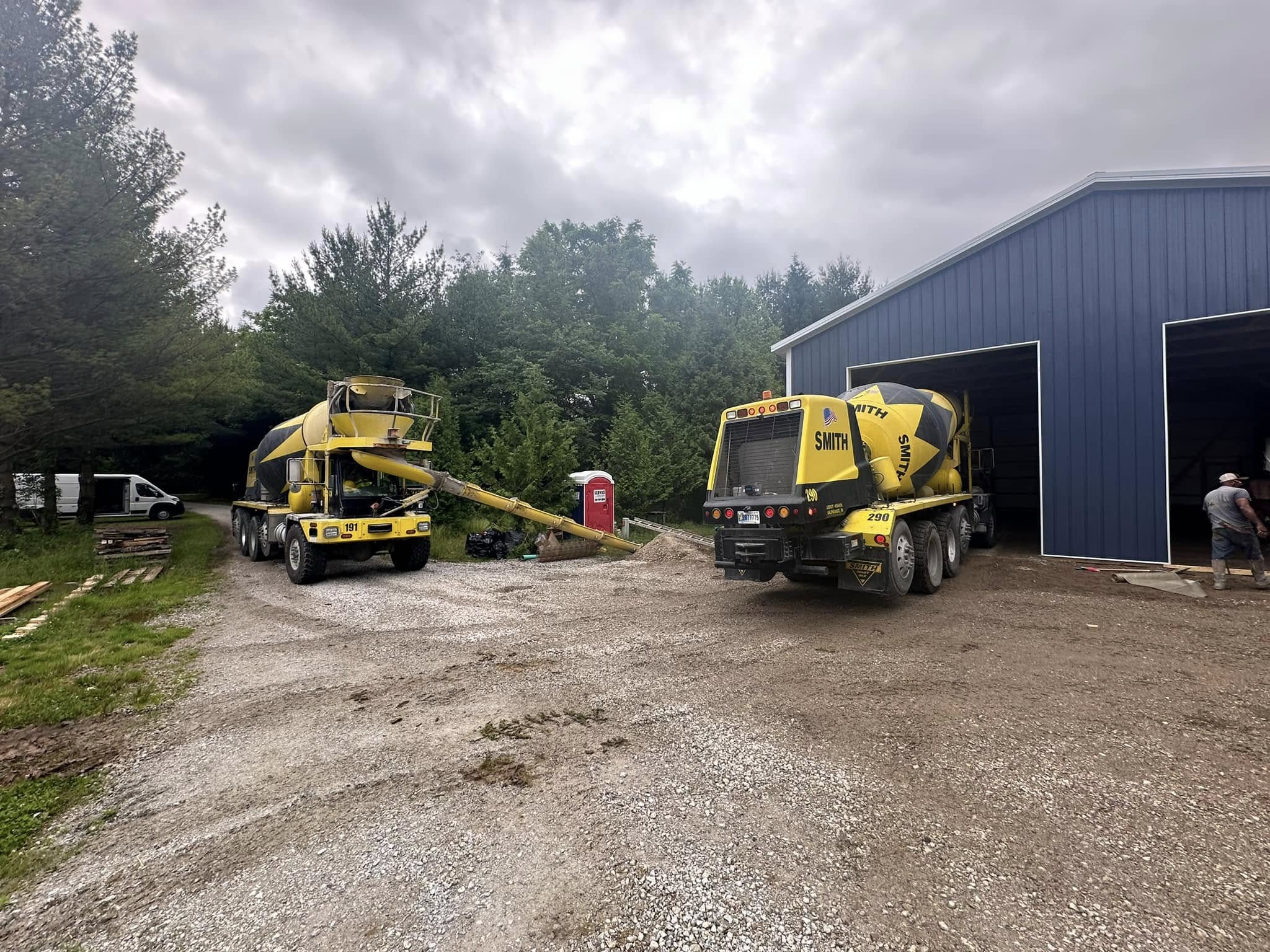
What Homeowners Wish They Knew Before Paying for Grading Near Porter County, Indiana
Introduction: Why So Many Homeowners Regret Rushing Into Grading Projects
Most homeowners do not spend much time thinking about grading until something starts going wrong.
Maybe water keeps collecting near the foundation after every storm. Maybe parts of the yard stay muddy for days while the rest dries out. Some homeowners notice cracks in the driveway or standing water near the septic area. Others simply feel frustrated because their yard never seems usable no matter how much work they put into it.
For many people near Porter County, Indiana, grading problems often begin quietly. At first, it may just seem annoying. Over time, though, those small drainage and slope issues can turn into expensive repairs, foundation concerns, erosion problems, or landscaping damage.
At Valpo Excavation and Septic, Inc., we talk with homeowners across Valparaiso, Porter County, Lake County, LaPorte County, Jasper County, and Newton County who feel overwhelmed trying to figure out what is actually wrong with their property. One contractor says they need regrading. Another suggests excavation. Somebody else recommends drainage systems that sound confusing and expensive.
We understand why homeowners feel cautious.
Nobody wants to spend thousands of dollars only to discover the problem was never fully fixed in the first place.
That is exactly why understanding grading matters before hiring a contractor. Good grading is not about making a yard look smooth for a few weeks. It is about protecting your property long-term and helping water move safely away from your home, foundation, driveway, and septic system.
This guide covers what many homeowners wish they had known before paying for Grading Near Porter County, Indiana, including common mistakes, hidden costs, drainage concerns, and how proper grading can protect your property for years to come.
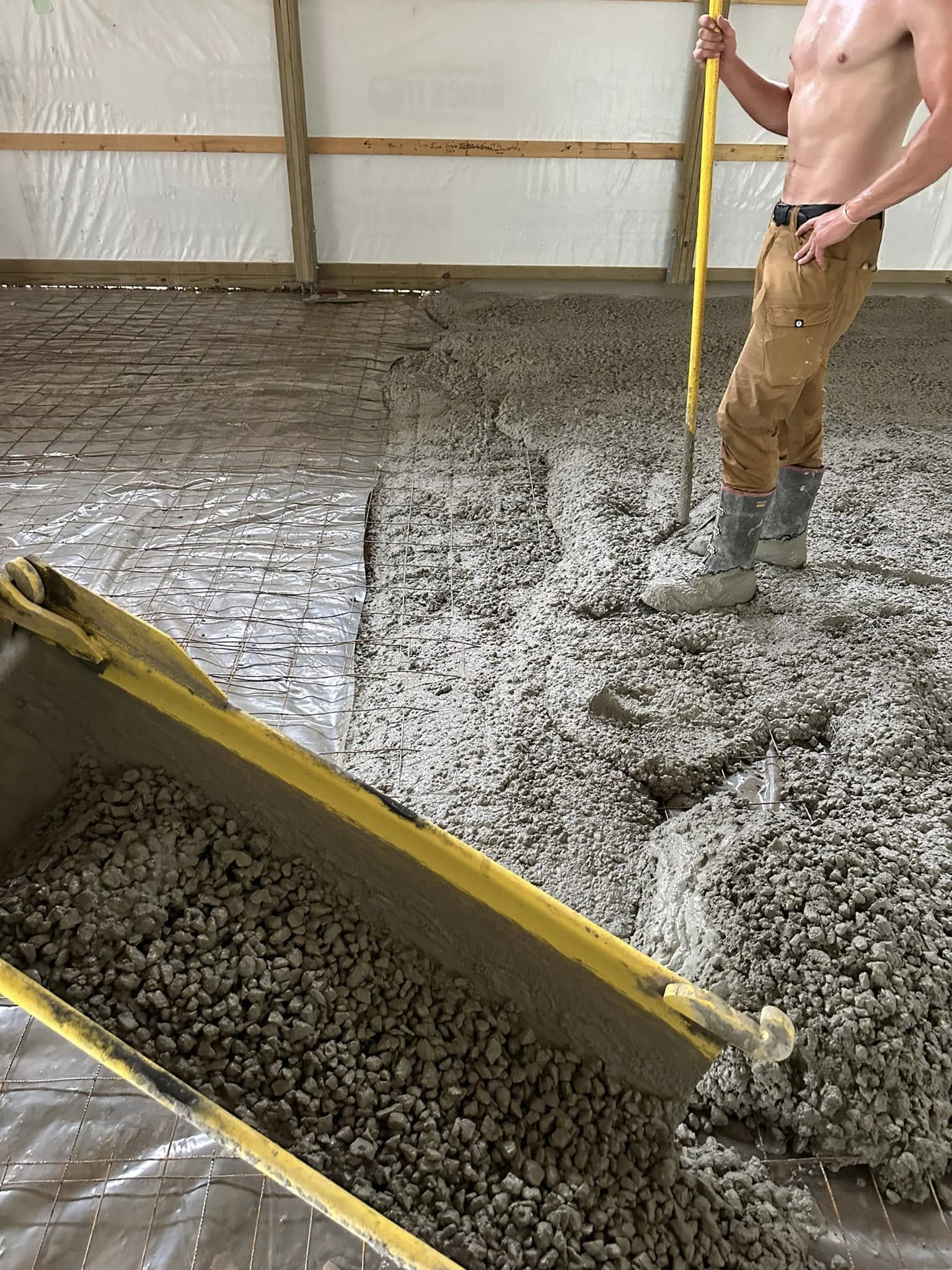
What Is Property Grading and Why Does It Matter?
Property grading is the process of shaping and leveling land so water drains properly and the ground can safely support structures, landscaping, and outdoor spaces.
That may sound simple, but grading affects almost everything outside your home.
Proper grading helps:
Move water away from foundations
Reduce flooding risks
Prevent standing water
Protect driveways and sidewalks
Improve septic drainage
Reduce erosion
Create stable building surfaces
Without proper grading, water usually finds its own path. Unfortunately, that path often leads directly toward your home or important structures.
Good grading is part science, part experience, and part understanding how land behaves during real weather conditions in Northwest Indiana.
The Hidden Problems Poor Grading Can Cause Around Your Home
Many grading issues stay hidden until damage becomes serious.
We have seen homeowners deal with:
Wet basements
Cracked foundations
Sinking patios
Driveway shifting
Dead grass
Septic drainage problems
Mold and moisture issues
Erosion around the property
The frustrating part is that many of these problems could have been reduced or avoided with proper grading from the start.
Water is incredibly powerful over time. Even small drainage issues can slowly wear away soil, weaken foundations, and create expensive repairs later.
That is why Grading Near Porter County, Indiana is about much more than appearance. It is about protecting your investment.
Why Grading Near Porter County, Indiana Is Different Than Other Areas
Northwest Indiana has unique soil and weather conditions that affect grading projects.
Some areas near Porter County have heavy clay soil that holds water longer. Other properties may deal with sandy soil that shifts differently during rainstorms. Freeze-thaw cycles during Indiana winters also create movement underground that can affect drainage and surface stability.
Add in changing elevations, wooded lots, older properties, and rural land conditions, and every grading project becomes different.
At Valpo Excavation and Septic, Inc., we believe no two properties should be treated exactly the same way. What works on one property in Valparaiso may not work on another property just a few miles away.
That is why customized grading plans matter.
What Most Homeowners Don’t Know Before Asking for a Grading Estimate
One of the biggest misunderstandings homeowners have is assuming grading prices should be similar from property to property.
That rarely happens.
Several factors affect grading costs, including:
Soil conditions
Property size
Existing drainage problems
Accessibility
Slope severity
Tree removal needs
Equipment access
Amount of excavation required
Sometimes a smaller property can actually cost more to grade if access is difficult or drainage problems are severe.
Homeowners are often surprised to learn how much preparation and planning goes into proper grading work.
Cheap Grading Can Become an Expensive Mistake
Everybody wants to save money. That makes sense.
But grading is one of those services where choosing the cheapest estimate can sometimes create larger problems later.
We have seen situations where:
Water was redirected toward the home
Improper slopes caused flooding
Soil settled unevenly
Drainage failed after one season
Erosion worsened after grading
Low-cost bids sometimes skip important steps like:
Soil evaluation
Proper drainage planning
Correct compaction
Finish grading
Erosion control
Unfortunately, fixing failed grading often costs more than doing it correctly the first time.
How Drainage Problems Often Start With Improper Grading
Many homeowners blame gutters or weather when water problems appear.
Sometimes the real issue is the slope of the property itself.
If the ground slopes toward the home instead of away from it, water naturally follows gravity toward the foundation.
This can lead to:
Basement moisture
Crawl space dampness
Foundation settling
Standing water
Landscape damage
Proper grading helps direct water safely away before it becomes destructive.
At Valpo Excavation and Septic, Inc., drainage planning is one of the most important parts of grading projects because water problems rarely improve on their own.
The Difference Between Simple Yard Grading and Full Site Grading
Not all grading projects are the same.
Simple yard grading may involve:
Smoothing uneven ground
Fixing low spots
Improving surface drainage
Full site grading is much more involved and may include:
Excavation
Drainage planning
Soil movement
Septic preparation
Driveway grading
Foundation preparation
Erosion control
Understanding the difference helps homeowners avoid confusion when comparing contractor estimates.
Signs Your Property May Already Have Grading Problems
Many homeowners live with grading issues for years before realizing the land itself is part of the problem.
Warning signs include:
Water pooling after rain
Muddy areas that never dry
Cracks near the foundation
Soil washing away
Uneven lawn surfaces
Water entering the basement
Sinking sidewalks or patios
Grass struggling in wet areas
If multiple signs appear together, grading may be contributing to the problem.
Why Soil Conditions Matter More Than Most People Realize
Soil affects how water moves, drains, and settles.
Clay-heavy soil common in parts of Northwest Indiana tends to hold moisture longer. Sandy soil drains faster but may shift more easily. Loose soil may require compaction before grading can properly hold shape.
Without understanding soil conditions, grading work may not perform correctly long-term.
That is why experienced contractors evaluate the property carefully instead of rushing into excavation immediately.
How Weather in Northwest Indiana Affects Grading Projects
Indiana weather can create challenges homeowners do not always expect.
Heavy rainfall, snow melt, freezing temperatures, and seasonal moisture changes all affect how land behaves.
Wet conditions may:
Delay grading work
Create unstable soil
Increase erosion risks
Slow compaction
Experienced contractors plan grading projects around these conditions to help ensure long-term stability.
Questions Homeowners Should Ask Before Hiring a Grading Contractor
Hiring the right contractor matters just as much as the grading itself.
Important questions include:
What drainage issues do you see?
How will water move after grading?
What equipment will be used?
Will erosion control be needed?
How long should the project last?
What could affect pricing?
Have you worked with similar properties before?
A good contractor should explain the process clearly instead of avoiding detailed conversations.
Why Equipment Experience Matters in Grading Work
Grading is not simply about moving dirt around.
Proper equipment operation affects:
Drainage flow
Soil compaction
Surface stability
Property appearance
Long-term performance
Inexperienced operation can create uneven surfaces, drainage failure, or soil instability.
That is why experience matters so much during grading projects.
The Truth About “Leveling” a Yard
Many homeowners ask for a “level yard,” but perfectly flat properties are not always ideal.
In fact, completely flat grading can sometimes create worse drainage problems because water has nowhere to go.
Good grading usually involves controlled slopes designed to move water safely without creating erosion or instability.
Proper drainage almost always requires intentional shaping of the land.
Grading vs Excavation: What’s the Difference?
Homeowners often confuse grading and excavation.
Excavation focuses on digging, removing, or moving large amounts of soil.
Grading focuses more on shaping and finishing the land to achieve proper drainage and stability.
Many projects involve both services working together.
How Poor Grading Can Affect Foundations, Driveways, and Septic Systems
Poor grading impacts more than just lawns.
Improper drainage can weaken:
Foundations
Driveways
Retaining walls
Septic systems
Sidewalks
Outdoor living spaces
Water that stays trapped near structures slowly creates damage beneath the surface.
That is one reason Grading Near Porter County, Indiana plays such an important role in protecting property value.
What Homeowners Near Porter County, Indiana Usually Overspend On
Many homeowners spend money repeatedly trying temporary fixes before addressing the real grading problem.
Common temporary fixes include:
Extra gravel
Drain pipes
Soil replacement
Landscaping changes
Sump pump upgrades
While those solutions sometimes help, they may not fully solve improper slope and drainage issues.
Correct grading often addresses the root cause instead of only masking symptoms.
The Importance of Customized Grading Solutions
Every property behaves differently.
Some homes need major regrading. Others may only require small drainage corrections.
At Valpo Excavation and Septic, Inc., we focus heavily on customized solutions because no two properties across Porter, Lake, LaPorte, Jasper, and Newton Counties are exactly alike.
The goal is not creating the biggest project possible.
The goal is solving the actual problem correctly.
How Long a Proper Grading Project Usually Takes
Project timelines depend on:
Property size
Weather
Soil conditions
Drainage complexity
Excavation needs
Some grading projects may take only a day or two. Larger site preparation and drainage projects may require more time.
Clear communication throughout the process helps homeowners know what to expect.
Common Grading Mistakes That Create Bigger Problems Later
Some of the most common grading mistakes include:
Improper slope angles
Poor drainage planning
Skipping compaction
Ignoring erosion risks
Rushing finish grading
Failing to account for future settling
Unfortunately, many grading problems do not appear immediately. They often show up months later after heavy rain or seasonal changes.
Why Communication Matters During a Grading Project
Homeowners deserve to understand what is happening on their property.
Good communication helps reduce stress, confusion, and unexpected surprises during the project.
At Valpo Excavation and Septic, Inc., we believe homeowners should feel informed throughout the process instead of left guessing.
What to Expect During the Grading Process
Most grading projects follow a process similar to this:
Property evaluation
Drainage assessment
Excavation or soil movement
Rough grading
Drainage corrections
Finish grading
Final stabilization
Each property requires adjustments depending on site conditions and homeowner goals.
How Grading Near Porter County, Indiana Can Improve Property Value
Proper grading can improve:
Drainage performance
Curb appeal
Yard usability
Structural protection
Long-term maintenance costs
Buyers often notice drainage problems quickly during inspections, especially standing water or foundation concerns.
Good grading protects both the home and the property’s future value.
Why Homeowners Across Northwest Indiana Trust Experienced Local Contractors
Local experience matters because Northwest Indiana properties face unique drainage, soil, and weather challenges.
At Valpo Excavation and Septic, Inc., we proudly serve homeowners throughout Valparaiso and surrounding Porter, Lake, LaPorte, Jasper, and Newton Counties with customized grading and excavation solutions designed around each property’s needs.
We understand how stressful drainage and grading problems can feel for homeowners. Most people simply want honest answers, clear communication, and solutions that actually last.
That is exactly how we approach every project.
Final Thoughts: What Homeowners Wish They Knew Before Paying for Grading Near Porter County, Indiana
Most homeowners wish they had learned more about grading before problems became expensive.
The truth is, proper grading affects far more than appearance. It protects foundations, improves drainage, prevents erosion, and helps homeowners avoid costly repairs later.
If you are researching Grading Near Porter County, Indiana, take your time before hiring a contractor. Ask questions. Learn how water moves across your property. Understand the difference between temporary fixes and long-term solutions.
Because when grading is done correctly, you should not have to worry every time it rains.









Hours: 6am to 6pm M-F
Extended hours by appointment only.
Address: 132 N 250 W Valparaiso, IN 46385 United States
All rights reserved | Client Support Area