Serving Indiana Counties: Porter, Lake, LaPorte, Jasper, Newton
Foundation Repair near Porter County, Indiana
Valpo Excavation and Septic is Committed to superior quality and results!

AVOID COSTLY MISTAKES:
Do NOT hire an excavating contractor without first reading our free guide:
The ULTIMATE Excavation & Septic "Success Guide."

Foundation Repair Near Porter County, Indiana: What Homeowners Need to Know
Foundation issues are a common concern for homeowners in Porter County, Indiana. Over time, soil movement, moisture changes, and drainage conditions can affect the stability of a structure. These changes are often gradual, which means early signs can go unnoticed until visible damage begins to appear.
Addressing foundation problems early is important for maintaining the structural integrity of a home. Delays can lead to more extensive repairs as the underlying conditions continue to affect the foundation.
How Can We Help?
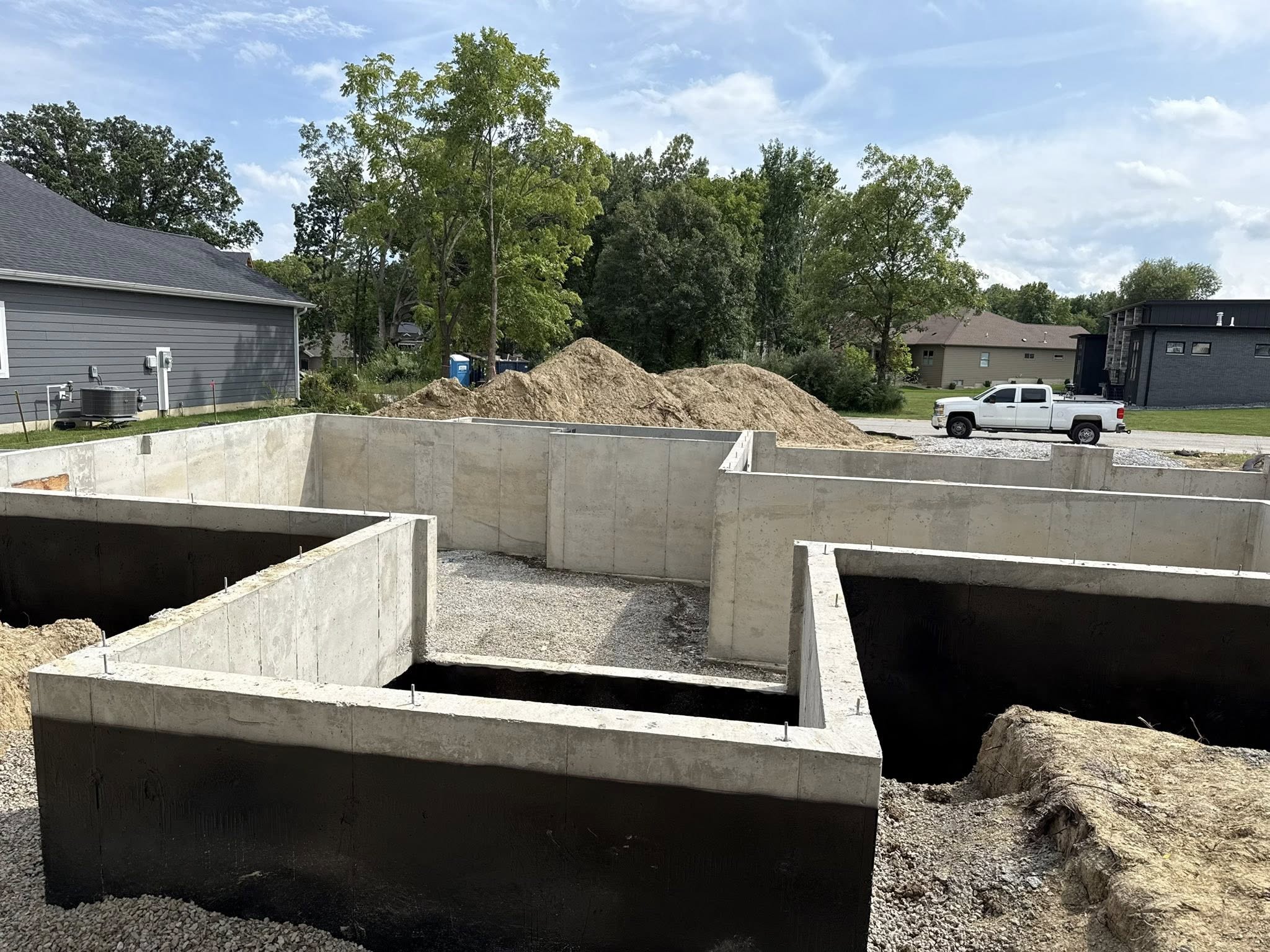
What Does Foundation Repair Near Porter County Include?
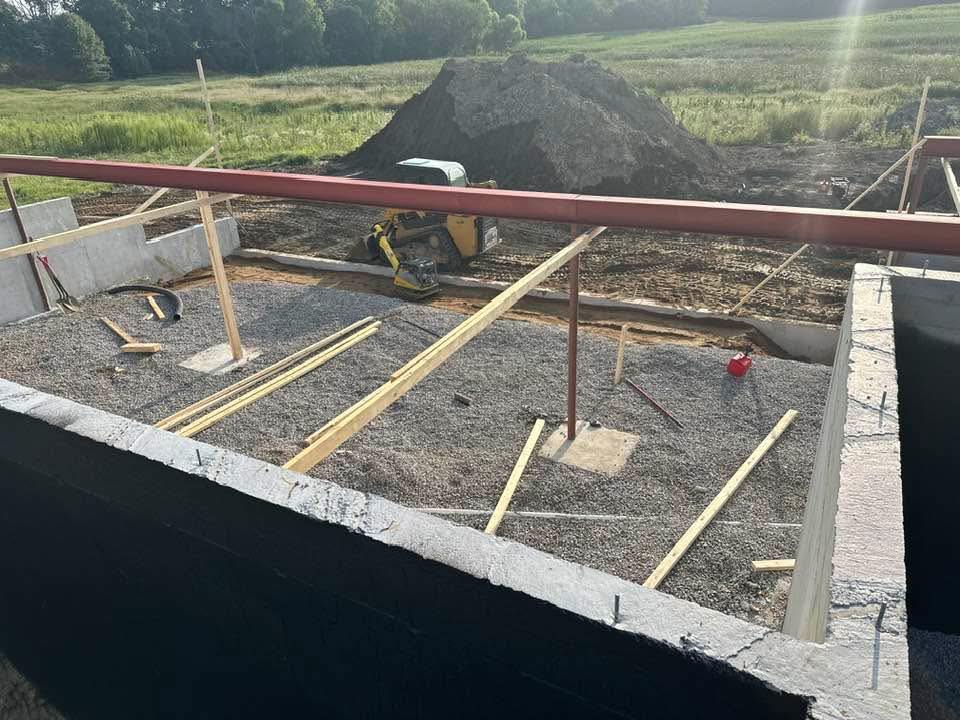
Foundation repair involves identifying the cause of structural movement and applying the appropriate method to stabilize the structure. The type of repair depends on the condition of the foundation as well as the surrounding soil and drainage conditions.
In many cases, repair begins with addressing visible damage such as cracks in foundation walls or slabs. These cracks may allow water intrusion or indicate structural movement. Stabilization methods may then be used to support the foundation and prevent further settling. This can involve installing systems designed to reinforce the structure and restore its position.
Moisture control is also a key part of foundation repair. Water entering basements or crawl spaces can weaken materials and contribute to long-term damage. Waterproofing solutions are often used to reduce this risk. In addition, crawl spaces may require reinforcement or moisture control measures to improve overall structural performance.
Drainage and grading adjustments are frequently necessary as well. If water is not directed away from the home, it can collect around the foundation and lead to soil movement. Correcting these conditions helps protect the structure over time.
The Benefits of Foundation Repair Near Porter County, Indiana
Foundation repair provides long-term structural and functional benefits for a property. When a foundation is properly stabilized, it helps the entire home remain level and secure. This reduces the likelihood of continued movement, which can otherwise lead to more serious structural concerns over time.
One of the most noticeable benefits is improved performance throughout the home. After repairs are completed, doors and windows often open and close more easily, and floors may feel more even underfoot. Cracks in walls or ceilings may also stop expanding once the underlying issue has been addressed.
Foundation repair also plays an important role in managing moisture. When cracks or structural gaps are sealed and drainage issues are corrected, the risk of water intrusion is reduced. This helps protect basements and crawl spaces from damp conditions that can lead to further damage or deterioration.
Another key benefit is the prevention of future problems. Addressing foundation issues early helps limit the progression of damage, which can reduce the need for more extensive repairs later. This approach supports the long-term durability of the structure and helps maintain its overall condition.
In addition, a stable and well-maintained foundation contributes to the value of the property. Homes with known structural issues may be more difficult to sell or may require price adjustments. Completing foundation repairs helps preserve the integrity of the home and supports its long-term marketability.
Common Foundation Problems in Porter County Homes
Foundation problems in Porter County are often related to soil conditions and seasonal weather patterns. The soil in this region can expand when it absorbs moisture and contracts during dry periods. This repeated movement places stress on the foundation over time.
As a result, homeowners may notice cracks forming in walls, floors, or foundation surfaces. Floors may become uneven, and doors or windows may no longer open or close properly. In some cases, water may begin to enter basements or crawl spaces due to changes in the structure or surrounding soil.
These issues are not uncommon, but they do require proper evaluation to determine the cause and the appropriate repair method. Addressing the source of the problem is essential for preventing further damage.
What to Expect from Foundation Repair Near Porter County, Indiana
The foundation repair process typically begins with a site evaluation. During this stage, the condition of the structure is assessed, and visible signs of damage are documented. Factors such as drainage, soil conditions, and grading are also considered to understand what may be contributing to the issue.
After the evaluation, a repair plan is developed based on the findings. This plan outlines the recommended approach to stabilizing the foundation and addressing any contributing factors. The scope of work may vary depending on the severity of the problem and the specific conditions of the property.
Once the plan is established, the repair work is completed using the appropriate methods. This may include structural reinforcement, crack repair, or drainage improvements. After the work is finished, the area is reviewed to confirm that the repair has addressed both the visible damage and the underlying cause.
See Our Excavation and Septic Services

✔︎ Commercial Excavation
✔︎ Residential Excavation
✔︎ Demolition
✔︎ Large Pond Construction
✔︎ Small Pond Construction
✔︎ Dozer Work
✔︎ Septic Installs
✔︎ Septic Repairs
✔︎ Forestry Mulching
✔︎ Land Clearing
Quality Services Launched FAST!

✔︎ Grading & Lot Clearing
✔︎ French Drains
✔︎ Retaining Walls
✔︎ Sewer Repairs
✔︎ Drainage Systems
✔︎ Full Site Preparation
✔︎ Trenching
✔︎ Utilities Trenching
✔︎ Waterproofing
✔︎ Design Repair Install Pump Out
What Are You Waiting For?
How to Choose the Right Foundation Repair Company Near Porter County
Selecting the right contractor is an important part of the foundation repair process. The quality of the work depends not only on the repair method used, but also on how well the contractor understands the conditions affecting your property. Local experience plays a key role, especially in areas like Porter County where soil movement and moisture changes are common.
A contractor familiar with the region will have a better understanding of how local soil behaves throughout the year. This knowledge helps in identifying the root cause of foundation issues rather than just addressing surface-level symptoms. Without that understanding, repairs may not hold up over time.
Clear communication is another important factor. A reliable contractor should be able to explain what is happening with your foundation in simple terms. This includes identifying the cause of the problem, outlining the recommended solution, and explaining why that approach is appropriate for your specific situation.
It is also important to work with a contractor who provides a practical, site-specific plan. Every property is different, and repair methods should reflect the actual conditions present. Solutions should be based on what is necessary to stabilize the structure, rather than a one-size-fits-all approach.
Consistency throughout the project is equally important. From the initial evaluation to the completion of the work, the contractor should maintain clear communication and follow through on the agreed plan. This helps ensure that expectations are met and that the repair process runs smoothly.
Focusing on contractors who offer straightforward recommendations and tailored solutions can help avoid unnecessary work and improve long-term results. A well-informed decision at the start of the project can make a significant difference in the effectiveness and durability of the repair.
How Soil, Drainage, and Excavation Impact Your Foundation
Soil and water conditions are key factors in foundation performance. When water accumulates around a foundation, it can weaken the soil and lead to shifting or settling. Changes in moisture levels can also cause the soil to expand and contract, placing additional stress on the structure.
Improper grading can direct water toward the foundation instead of away from it. Over time, this can contribute to erosion or instability. Excavation and grading adjustments are often necessary to correct these conditions and improve drainage.
Addressing these factors is essential for preventing recurring foundation issues. Without proper drainage and soil management, structural repairs alone may not provide a long-term solution.
Why Proper Foundation Repair Near Porter County, Indiana Sets the Stage for Long-Term Stability
Effective foundation repair involves more than correcting visible damage. It requires an understanding of how the structure interacts with the surrounding environment, including soil conditions and water movement.
A comprehensive approach that addresses both structural and environmental factors provides better long-term results. Stabilizing the foundation while also improving drainage and grading helps reduce the likelihood of future problems.
Valpo Excavation and Septic LLC approaches foundation repair with a focus on practical, site-specific solutions. By addressing the underlying causes as well as the visible issues, the goal is to provide stability that lasts over time.

Why Summer Is the Best Time to Install a Septic System in Northwest Indiana
If you are planning to build a new home or replace an aging septic system in Northwest Indiana, timing is everything. While excavation contractors can dig year-round, certain seasons make the process significantly smoother, faster, and more cost-effective. For homeowners in Porter, Lake, and surrounding counties, late spring and summer are widely considered the optimal times to install a septic system.
But why exactly is summer the sweet spot? It comes down to soil conditions, weather patterns, and the logistics of heavy excavation.
Favorable Soil and Ground Conditions
The success of a septic system heavily depends on the soil it is built in. Your soil is the foundation of the entire system, particularly the drain field, which relies on proper percolation to treat wastewater safely.
During the winter, the ground in Northwest Indiana freezes solid. Digging through frozen earth requires specialized equipment, takes much longer, and drives up labor costs. In early spring, the ground thaws, but the melting snow and heavy spring rains often leave the soil overly saturated and muddy. Wet, compacted soil is difficult to work with and can lead to a messy, complicated jobsite.
By late May and throughout the summer, the ground has fully thawed and dried out. Dry soil is much easier to excavate, meaning the heavy machinery can operate efficiently without turning your yard into a mud pit. Furthermore, dry soil compacts better when the trench is backfilled, providing a more stable base for your new septic tank and drain field components.

Faster Permitting and Soil Testing
Before a shovel ever hits the dirt, you must secure a septic permit from your local county health department, such as the Porter County Health Department. This process begins with an on-site soil evaluation conducted by a certified soil scientist. They must bore 5 to 6 feet into the ground to assess soil texture, structure, and the seasonal high-water table to determine the system requirements.
Soil testing is far more accurate when the ground is dry. If you try to conduct soil borings during the wet spring months, the results can be skewed by temporary saturation, potentially forcing you into a more expensive, advanced system design. Summer provides the clear, stable conditions needed for accurate testing, leading to faster permit approvals and a system designed exactly for your property's true baseline.
Quicker Lawn and Landscape Recovery
Installing a septic system requires moving a massive amount of dirt. Your yard will look like a construction zone during the process. However, scheduling the installation during the summer gives your landscape the best chance to bounce back quickly.
Once the tank and drain field are installed and the site is backfilled and graded, you will need to reseed the area. Summer provides the prime growing conditions needed for new grass to take root. With warm soil temperatures and adequate sunlight, grass seed and sod can establish themselves rapidly, helping your property return to normal before the cold weather sets in.
Beating the Peak Usage Season
Summer is a time for backyard barbecues, graduation parties, and hosting family and friends. This means your household water usage will likely spike. If your current septic system is showing signs of failure, such as slow drains, backups, or foul odors in the yard, waiting until fall or winter to replace it is a risky gamble.
A failing system is much more likely to back up when subjected to the heavy water loads of summer hosting. By scheduling your septic replacement early in the summer, you ensure your system is fully operational and capable of handling peak usage without the stress of an unexpected emergency failure.
Trust the Local Experts
Excavation and septic installation are complex processes that require precision, experience, and an understanding of local Indiana soil. Valpo Excavation and Septic, LLC brings over 15 years of heavy construction experience to every project. As Eljen and Presby certified installers, we handle everything from the initial soil testing and permitting to the final grading, ensuring your system is built for performance and longevity.
If you are considering a new septic system or need to replace an old one, do not wait for the ground to freeze. Contact Valpo Excavation and Septic today to schedule your summer installation and get your project started on solid ground.











Hours: 6am to 6pm M-F
Extended hours by appointment only.
Address: 132 N 250 W Valparaiso, IN 46385 United States
All rights reserved | Client Support Area