Serving Indiana Counties: Porter, Lake, LaPorte, Jasper, Newton
Foundation Repair near Porter County, Indiana
Valpo Excavation and Septic is Committed to superior quality and results!

AVOID COSTLY MISTAKES:
Do NOT hire an excavating contractor without first reading our free guide:
The ULTIMATE Excavation & Septic "Success Guide."

Foundation Repair Near Porter County, Indiana: What Homeowners Need to Know
Foundation issues are a common concern for homeowners in Porter County, Indiana. Over time, soil movement, moisture changes, and drainage conditions can affect the stability of a structure. These changes are often gradual, which means early signs can go unnoticed until visible damage begins to appear.
Addressing foundation problems early is important for maintaining the structural integrity of a home. Delays can lead to more extensive repairs as the underlying conditions continue to affect the foundation.
How Can We Help?
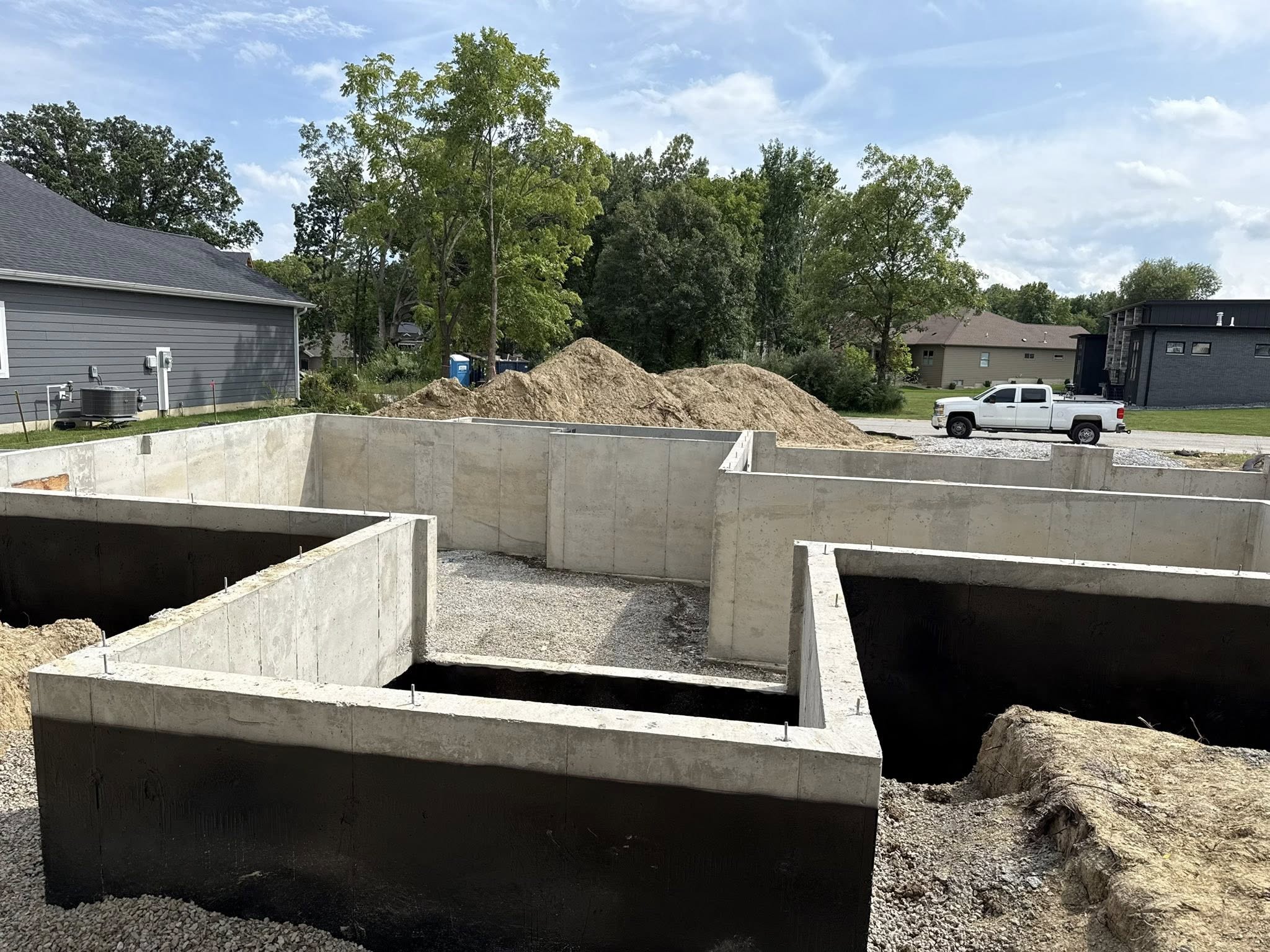
What Does Foundation Repair Near Porter County Include?
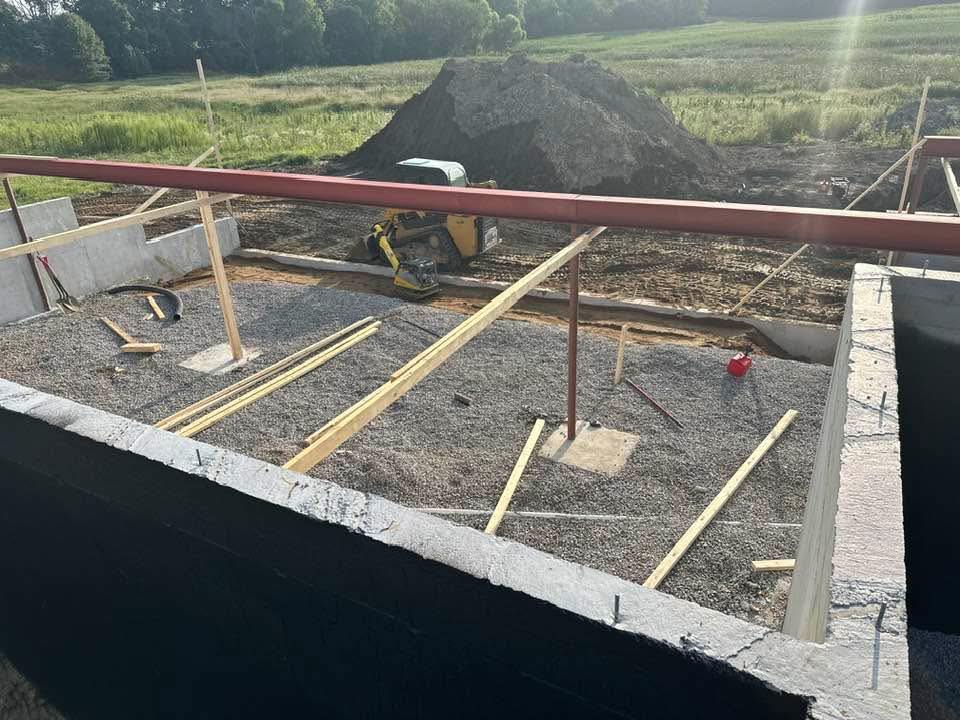
Foundation repair involves identifying the cause of structural movement and applying the appropriate method to stabilize the structure. The type of repair depends on the condition of the foundation as well as the surrounding soil and drainage conditions.
In many cases, repair begins with addressing visible damage such as cracks in foundation walls or slabs. These cracks may allow water intrusion or indicate structural movement. Stabilization methods may then be used to support the foundation and prevent further settling. This can involve installing systems designed to reinforce the structure and restore its position.
Moisture control is also a key part of foundation repair. Water entering basements or crawl spaces can weaken materials and contribute to long-term damage. Waterproofing solutions are often used to reduce this risk. In addition, crawl spaces may require reinforcement or moisture control measures to improve overall structural performance.
Drainage and grading adjustments are frequently necessary as well. If water is not directed away from the home, it can collect around the foundation and lead to soil movement. Correcting these conditions helps protect the structure over time.
The Benefits of Foundation Repair Near Porter County, Indiana
Foundation repair provides long-term structural and functional benefits for a property. When a foundation is properly stabilized, it helps the entire home remain level and secure. This reduces the likelihood of continued movement, which can otherwise lead to more serious structural concerns over time.
One of the most noticeable benefits is improved performance throughout the home. After repairs are completed, doors and windows often open and close more easily, and floors may feel more even underfoot. Cracks in walls or ceilings may also stop expanding once the underlying issue has been addressed.
Foundation repair also plays an important role in managing moisture. When cracks or structural gaps are sealed and drainage issues are corrected, the risk of water intrusion is reduced. This helps protect basements and crawl spaces from damp conditions that can lead to further damage or deterioration.
Another key benefit is the prevention of future problems. Addressing foundation issues early helps limit the progression of damage, which can reduce the need for more extensive repairs later. This approach supports the long-term durability of the structure and helps maintain its overall condition.
In addition, a stable and well-maintained foundation contributes to the value of the property. Homes with known structural issues may be more difficult to sell or may require price adjustments. Completing foundation repairs helps preserve the integrity of the home and supports its long-term marketability.
Common Foundation Problems in Porter County Homes
Foundation problems in Porter County are often related to soil conditions and seasonal weather patterns. The soil in this region can expand when it absorbs moisture and contracts during dry periods. This repeated movement places stress on the foundation over time.
As a result, homeowners may notice cracks forming in walls, floors, or foundation surfaces. Floors may become uneven, and doors or windows may no longer open or close properly. In some cases, water may begin to enter basements or crawl spaces due to changes in the structure or surrounding soil.
These issues are not uncommon, but they do require proper evaluation to determine the cause and the appropriate repair method. Addressing the source of the problem is essential for preventing further damage.
What to Expect from Foundation Repair Near Porter County, Indiana
The foundation repair process typically begins with a site evaluation. During this stage, the condition of the structure is assessed, and visible signs of damage are documented. Factors such as drainage, soil conditions, and grading are also considered to understand what may be contributing to the issue.
After the evaluation, a repair plan is developed based on the findings. This plan outlines the recommended approach to stabilizing the foundation and addressing any contributing factors. The scope of work may vary depending on the severity of the problem and the specific conditions of the property.
Once the plan is established, the repair work is completed using the appropriate methods. This may include structural reinforcement, crack repair, or drainage improvements. After the work is finished, the area is reviewed to confirm that the repair has addressed both the visible damage and the underlying cause.
See Our Excavation and Septic Services

✔︎ Commercial Excavation
✔︎ Residential Excavation
✔︎ Demolition
✔︎ Large Pond Construction
✔︎ Small Pond Construction
✔︎ Dozer Work
✔︎ Septic Installs
✔︎ Septic Repairs
✔︎ Forestry Mulching
✔︎ Land Clearing
Quality Services Launched FAST!

✔︎ Grading & Lot Clearing
✔︎ French Drains
✔︎ Retaining Walls
✔︎ Sewer Repairs
✔︎ Drainage Systems
✔︎ Full Site Preparation
✔︎ Trenching
✔︎ Utilities Trenching
✔︎ Waterproofing
✔︎ Design Repair Install Pump Out
What Are You Waiting For?
How to Choose the Right Foundation Repair Company Near Porter County
Selecting the right contractor is an important part of the foundation repair process. The quality of the work depends not only on the repair method used, but also on how well the contractor understands the conditions affecting your property. Local experience plays a key role, especially in areas like Porter County where soil movement and moisture changes are common.
A contractor familiar with the region will have a better understanding of how local soil behaves throughout the year. This knowledge helps in identifying the root cause of foundation issues rather than just addressing surface-level symptoms. Without that understanding, repairs may not hold up over time.
Clear communication is another important factor. A reliable contractor should be able to explain what is happening with your foundation in simple terms. This includes identifying the cause of the problem, outlining the recommended solution, and explaining why that approach is appropriate for your specific situation.
It is also important to work with a contractor who provides a practical, site-specific plan. Every property is different, and repair methods should reflect the actual conditions present. Solutions should be based on what is necessary to stabilize the structure, rather than a one-size-fits-all approach.
Consistency throughout the project is equally important. From the initial evaluation to the completion of the work, the contractor should maintain clear communication and follow through on the agreed plan. This helps ensure that expectations are met and that the repair process runs smoothly.
Focusing on contractors who offer straightforward recommendations and tailored solutions can help avoid unnecessary work and improve long-term results. A well-informed decision at the start of the project can make a significant difference in the effectiveness and durability of the repair.
How Soil, Drainage, and Excavation Impact Your Foundation
Soil and water conditions are key factors in foundation performance. When water accumulates around a foundation, it can weaken the soil and lead to shifting or settling. Changes in moisture levels can also cause the soil to expand and contract, placing additional stress on the structure.
Improper grading can direct water toward the foundation instead of away from it. Over time, this can contribute to erosion or instability. Excavation and grading adjustments are often necessary to correct these conditions and improve drainage.
Addressing these factors is essential for preventing recurring foundation issues. Without proper drainage and soil management, structural repairs alone may not provide a long-term solution.
Why Proper Foundation Repair Near Porter County, Indiana Sets the Stage for Long-Term Stability
Effective foundation repair involves more than correcting visible damage. It requires an understanding of how the structure interacts with the surrounding environment, including soil conditions and water movement.
A comprehensive approach that addresses both structural and environmental factors provides better long-term results. Stabilizing the foundation while also improving drainage and grading helps reduce the likelihood of future problems.
Valpo Excavation and Septic LLC approaches foundation repair with a focus on practical, site-specific solutions. By addressing the underlying causes as well as the visible issues, the goal is to provide stability that lasts over time.

How to Know When Your Septic System Needs Repair or Replacement in Northwest Indiana
If you live outside a municipal sewer area in Valparaiso, Chesterton, Portage, Hebron, Crown Point, La Porte, Michigan City, or another Northwest Indiana community, your septic system is one of the most important parts of your property. When it is working correctly, it is easy to forget about. When it starts failing, the warning signs can affect your plumbing, your yard, your home, and your peace of mind.
Valpo Excavation and Septic LLC provides septic installation, replacement, relocation, repairs, troubleshooting, drain field work, and excavation services across Northwest Indiana. If you are seeing symptoms that something is wrong, it is important to understand what those symptoms may mean and when it is time to call a local septic professional.
Slow Drains, Gurgling Plumbing, and Backups Should Not Be Ignored
One of the first signs homeowners notice is slow drainage. A single slow sink may be a simple plumbing issue, but multiple slow drains throughout the home can point to a larger problem with the septic system. The U.S. Environmental Protection Agency lists slow-draining bathtubs, showers, and sinks as common signs of a failing septic system. It also lists gurgling sounds in the plumbing system and water or sewage backing up into toilets, drains, or sinks as warning signs that need attention.
A backup is especially urgent. If wastewater is coming back into the home, avoid contact with it and contact a qualified service provider. Septic problems do not usually improve on their own, and continuing to use water normally can add more strain to a system that may already be overloaded. Homeowners should treat repeated backups, multiple slow drains, and new plumbing noises as a reason to investigate the entire system rather than only the nearest fixture.
Odors, Wet Areas, and Bright Green Grass Can Point to Drain Field Trouble
Your drain field is where treated wastewater is distributed into the soil. When the drain field is saturated, clogged, damaged, or improperly functioning, the signs often appear outside first. The EPA identifies standing water, damp spots near or over the septic tank or drain field, sewage odors around the septic area, and unusually bright green or spongy grass over the tank or drain field as common signs of septic failure.

In Northwest Indiana, wet seasons, heavy clay soils, high groundwater, older systems, and property grading issues can all make septic problems more noticeable. A soggy area may not always mean the system has failed, but it is a sign that the property should be evaluated. The right solution may be a repair, drainage correction, drain field work, or full replacement depending on the age, condition, layout, and soil conditions on the site.
It is also important to remember that septic odors can have more than one cause. The EPA explains that odors may be related to vents, wind conditions, clogged vent pipes, freezing conditions, or drain field issues, and it recommends contacting a local septic system service provider or plumber because the exact cause cannot be diagnosed remotely. That is why an on-site evaluation is the safest way to decide what is happening.
Repair or Replacement Depends on the System, Soil, and Site Conditions
Homeowners often ask whether a septic issue can be repaired or whether the whole system needs to be replaced. The honest answer is that it depends on the cause of the problem. A damaged pipe, broken component, localized blockage, or isolated distribution issue may be repairable. An undersized, failing, saturated, or outdated system may require replacement, especially if the tank, drain field, or soil absorption area can no longer function properly.
A proper evaluation looks at more than the symptom. It considers the tank, lines, drain field, grading, water use, soil conditions, and property layout. Valpo Excavation and Septic LLC works with septic installation and repair projects, including excavation, tank placement, pipe installation, drain field installation and replacement, and system troubleshooting. That matters because septic work is not just plumbing. It is also excavation, drainage, soil, and sitework.
Regular Maintenance Helps Prevent Expensive Failures
Some septic emergencies can be avoided with routine maintenance. The EPA explains that regular maintenance is the best method for preventing septic system failure. It describes typical maintenance as inspecting the full system every one to three years and pumping the tank every three to five years, depending on tank size, household size, water use, garbage disposal use, and solids buildup.
Homeowners can also reduce strain by spreading out laundry loads, avoiding excess water use, and flushing only human waste and toilet paper. Grease, wipes, harsh chemicals, and non-septic-safe items can create problems in the tank and lines. If you have recently purchased a property or do not know when the system was last inspected or pumped, it is smart to get professional guidance before symptoms become an emergency.
Maintenance is also helpful when planning future property improvements. If you are adding a garage, pole barn, driveway, addition, pool, or other structure, you need to know where the tank, lines, and drain field are located. Heavy equipment, new grading, or construction traffic over the wrong area can damage the system or limit future repair options.
When to Call Valpo Excavation and Septic LLC
You should call a professional if you notice repeated backups, multiple slow drains, sewage odors, wet or spongy soil near the septic area, bright green grass over the drain field during dry weather, or visible wastewater on the ground. You should also call before building, adding bedrooms, changing property drainage, or planning major excavation near the septic area.
Valpo Excavation and Septic LLC serves homeowners and property owners across Northwest Indiana, including Porter, Lake, LaPorte, Jasper, and Newton counties. If your septic system is showing warning signs, contact Valpo Excavation and Septic LLC at 219-336-8502 or visit the company's septic service page to request help with repair, replacement, or installation planning.










Hours: 6am to 6pm M-F
Extended hours by appointment only.
Address: 132 N 250 W Valparaiso, IN 46385 United States
All rights reserved | Client Support Area