Serving Indiana Counties: Porter, Lake, LaPorte, Jasper, Newton
Drainage Systems Near Porter County, Indiana
Valpo Excavation and Septic is Committed to superior quality and results!

AVOID COSTLY MISTAKES:
Do NOT hire an excavating contractor without first reading our free guide:
The ULTIMATE Excavation & Septic "Success Guide."

Drainage Systems Near Porter County, Indiana: What They Do and Why They Matter
Water has a way of finding the weakest point on any property, leading to pooling, foundation issues, or driveway damage when drainage is poor. That’s why drainage systems near Porter County are essential-they move water away from structures, control its flow across your property, and prevent long-term damage. In Porter County, Indiana, where rain, snowmelt, and soil conditions vary, proper drainage isn’t optional - it’s a critical part of protecting your home and investment.
How Can We Help?
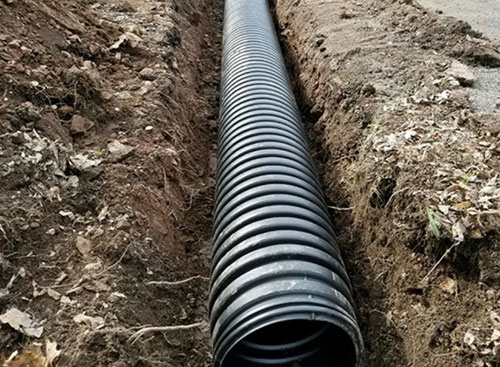
What Drainage Systems Near Porter County Actually Include
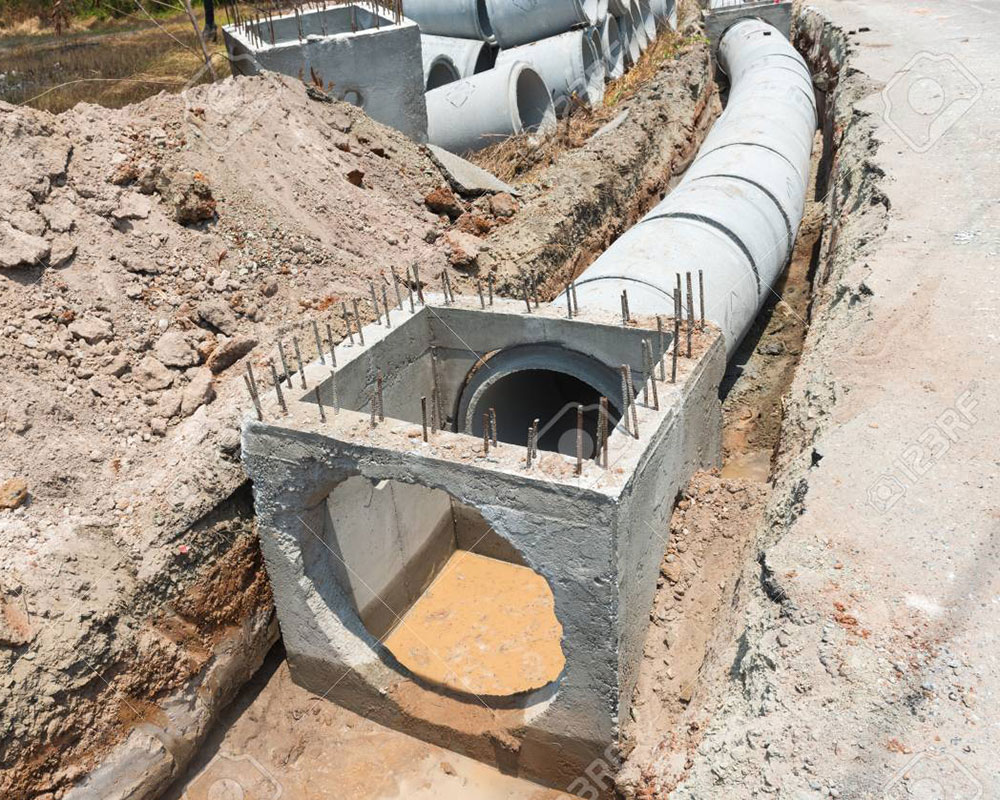
When most people think about drainage, they picture a simple pipe or trench. In reality, modern drainage systems near Porter County, Indiana, are designed with a full understanding of how water behaves across your land.
A drainage system may include surface drains, French drains, grading adjustments, downspout extensions, or subsurface piping. Each component works together to guide water away from problem areas.
Here is what these systems are designed to accomplish:
• Prevent standing water in yards and low spots
• Protect foundations from water intrusion
• Reduce soil erosion and washouts
• Improve usability of outdoor spaces
• Extend the life of driveways, patios, and landscaping
Without a proper system, water builds pressure, weakens soil, and slowly causes structural damage that can become expensive to fix.
The Real Benefits of Drainage Systems Near Porter County, Indiana
The biggest benefit of installing drainage systems near Porter County is peace of mind. You are not left wondering what will happen after the next heavy rain.
But the benefits go much deeper than that.
First, drainage systems protect your foundation. Water that collects near your home can seep into basements or crawl spaces, leading to cracks, mold, and long-term structural issues.
Second, they improve the health of your landscape. Too much water suffocates grass and plants, while proper drainage allows soil to breathe and roots to grow stronger.
Third, they reduce maintenance costs. Without proper drainage, you may find yourself constantly repairing washed-out gravel, replacing sod, or dealing with muddy conditions.
Fourth, drainage systems increase property value. Buyers notice when a yard drains well and when it does not. A dry, usable property is always more attractive than one with ongoing water problems.
What Are the Benefits of Hiring a Drainage Systems Professional Near Porter County
There is a big difference between installing a pipe and designing a system that actually works long term. Hiring a professional for drainage systems near Porter County gives you an advantage that goes beyond equipment.
A trained team understands grading, soil composition, and water flow patterns. They do not guess where water will go. They study it.
Here are the key benefits of hiring a professional:
Accurate problem diagnosis
Many drainage issues start in one place but show up somewhere else. A professional identifies the true source of the problem before recommending a solution.
Customized system design
No two properties are the same. A proper drainage plan is built around your land, not copied from another job.
Proper equipment and installation
Drainage systems require precision. Depth, slope, and placement all matter. Professionals have the tools to get it right.
Long-term reliability
A poorly installed system may work for a short time, then fail. A professionally installed system is built to handle years of weather conditions.
Compliance with local conditions
In Porter County, Indiana, soil types and weather patterns vary. Professionals account for these local factors during design and installation.
Common Problems Solved by Drainage Systems Near Porter County, Indiana
Many property owners do not realize how many issues are connected to poor drainage until they start seeing signs.
Some of the most common problems include:
Water pooling in the yard after rain
Basement moisture or leaks
Muddy or unusable outdoor areas
Erosion around foundations or driveways
Standing water near patios or walkways
Drainage systems near Porter County are designed to eliminate these issues by creating a clear path for water to follow.
Types of Drainage Systems Used in Porter County
Different problems require different solutions. A professional will often combine multiple methods to create a complete system.
French drains are one of the most common options. These use perforated pipes buried in gravel to collect and redirect water underground.
Surface drains are installed in low areas where water collects. They capture water at the surface and move it away quickly.
Grading adjustments reshape the land to encourage natural water flow away from structures.
Downspout extensions carry roof runoff further away from the home to prevent pooling near the foundation.
Each of these systems plays a role in managing water effectively.
See Our Excavation and Septic Services

✔︎ Commercial Excavation
✔︎ Residential Excavation
✔︎ Demolition
✔︎ Large Pond Construction
✔︎ Small Pond Construction
✔︎ Dozer Work
✔︎ Septic Installs
✔︎ Septic Repairs
✔︎ Forestry Mulching
✔︎ Land Clearing
Quality Services Launched FAST!

✔︎ Grading & Lot Clearing
✔︎ French Drains
✔︎ Retaining Walls
✔︎ Sewer Repairs
✔︎ Drainage Systems
✔︎ Full Site Preparation
✔︎ Trenching
✔︎ Utilities Trenching
✔︎ Waterproofing
✔︎ Design Repair Install Pump Out
What Are You Waiting For?
The Process for Hiring a Drainage Systems Near Porter County, Indiana
If you are dealing with water issues, the process of hiring help should feel straightforward. Knowing what to expect makes it easier to move forward with confidence.
The first step is an on-site evaluation. This is where the contractor walks the property, identifies problem areas, and studies how water currently moves across the land.
Next comes the design phase. Based on what they see, they will recommend a solution tailored to your specific situation. This may include one system or a combination of several.
After that, you receive a clear plan outlining the scope of work. This should explain what will be installed, where it will go, and how it will solve the problem.
Once approved, installation begins. This phase involves excavation, placement of materials, and careful grading to ensure proper flow.
Finally, the system is tested and reviewed. A good drainage system should not just look right. It should perform correctly under real conditions.
Why Timing Matters for Drainage Systems Near Porter County, Indiana
One of the biggest mistakes property owners make is waiting too long to address drainage issues. Water problems rarely stay the same. They usually get worse over time.
Installing drainage systems near Porter County before major damage occurs can save significant time and money. It also prevents disruptions that come with repairing larger issues later.
Whether you are planning new construction or dealing with an existing problem, acting early gives you more control over the outcome.
How Drainage Systems Near Porter County Protect Your Investment
At the end of the day, your property is one of your biggest investments. Water is one of the few forces that can quietly damage it over time without being noticed right away.
Drainage systems near Porter County are not just a fix. They are a long-term strategy for protecting what you have built.
By controlling water flow, preserving soil stability, and keeping structures dry, these systems help ensure your property remains safe, usable, and valuable for years to come.

What Homeowners Should Expect During a Septic Installation Project
Installing a septic system is a major property improvement. It affects your home's wastewater handling, future site use, yard layout, drainage, and long-term property function. For homeowners in Northwest Indiana communities such as Valparaiso, Portage, Chesterton, Hebron, Crown Point, Merrillville, La Porte, and Michigan City, the process should be handled carefully from the first site evaluation through final grading.
Valpo Excavation and Septic LLC provides septic installation, replacement, relocation, repairs, drain field installation, permitting support, excavation, grading, and site preparation. If you are planning a new build, replacing an old system, or preparing a rural property for development, here is what you can generally expect during a septic installation project.
The Project Starts With Site Conditions, Soil, and Permits
A septic system is not a one-size-fits-all product. It must fit the property, the soil, the home, the water use, and the local permitting requirements. The Indiana Department of Health explains that onsite sewage disposal systems typically include a septic tank that settles and digests sewage solids, followed by perforated piping that distributes treated wastewater for absorption into the soil. Because the soil is part of the treatment process, site conditions matter.
In Porter County, the Health Department states that a soil test is required for residential new construction well and septic permits and may be obtained by hiring a private, certified soil scientist. The soil test is submitted to the Environmental Division, and a septic or well field investigation report is typically issued in approximately two to four days. That report includes septic system specifications, permit requirements, and site considerations. Other counties may have their own local procedures, so homeowners should always verify requirements with the correct county health department.
The Indiana Department of Health also states that more than 800,000 onsite sewage disposal systems are used in Indiana, and local health departments issue more than 15,000 permits per year for new systems and about 6,000 permits for repairs. Those numbers show why septic permitting, soil review, and local health department involvement are normal parts of the process rather than unusual delays.
Design and Layout Come Before Excavation
Before equipment moves dirt, the system layout needs to be planned. This includes the proposed tank location, pipe routes, distribution area, drain field location, setbacks, grading, access, and how the new system fits with the home, driveway, wells, utilities, property lines, and future use of the yard.

This planning stage is where local experience becomes valuable. Northwest Indiana properties can vary widely. Some lots are open and straightforward, while others have trees, slopes, tight access, wet areas, old structures, existing tanks, or drainage concerns. A contractor with excavation and septic experience can help identify practical layout issues before they become field problems.
Homeowners should also think about future improvements during the layout stage. A septic system may affect where you can place a garage, pole barn, driveway, addition, patio, or pool later. Talking through those plans early can help protect the usable space on the property and reduce the chance of conflicts after installation.
Excavation, Tank Placement, and Drain Field Construction
Once the permit and plan are ready, excavation begins. The site is opened according to the approved design. The tank area is excavated, the tank is set, piping is installed, and the drain field or soil absorption system is built according to the required specifications. Depending on the property and system type, the work may also involve distribution components, gravel or approved system materials, trenching, connections, and careful grading.
Valpo Excavation and Septic LLC's septic installation services include excavation, tank placement, pipe installation, drain field construction, and system-related sitework. The company's broader excavation background is also important because a clean septic installation depends on proper digging, correct elevations, safe equipment operation, drainage awareness, and a finished grade that supports the system instead of working against it.
A good jobsite should be organized and clearly planned. Homeowners should expect equipment access, material staging, temporary disturbance to the yard, and communication about where vehicles, pets, and people should stay during active work. Septic installation involves open excavations and heavy equipment, so safety and access control are important throughout the project.
Inspection, Testing, Backfill, and Final Grading
Septic installation is not finished just because the tank is in the ground. The project must be checked against the approved plan and local requirements. Porter County notes that site plans are reviewed before permit issuance, and local health departments play a central role in permitting and inspection. Homeowners should expect coordination around required inspections before the system is fully covered.
After approvals are complete, the site is backfilled and graded. This final stage matters. Poor final grading can direct stormwater toward the septic area, create soggy spots, or make future maintenance harder. A good installation should leave the system accessible for future service while restoring the property as cleanly and responsibly as possible.
Final grading is also an opportunity to make sure surface water moves in the right direction. While the septic system is designed to handle household wastewater, it should not be forced to handle unnecessary stormwater runoff from roofs, driveways, or poorly graded areas. Keeping water away from the tank and drain field helps support long-term performance.
How Homeowners Can Prepare for a Smoother Installation
Homeowners can help the process by gathering property information early. This may include the site plan, well location, old septic records if available, proposed building plans, utility information, driveway layout, and any known drainage issues. It also helps to discuss future plans, such as additions, garages, pole barns, pools, driveways, or grading changes. These details can affect where the system should go and how the property should be planned.
It is also important to understand that weather, soil conditions, permitting, and inspection timing can affect the schedule. A wet site may need different timing than a dry one. A property with limited access may require additional planning. A replacement project may uncover unknown conditions once excavation begins. Clear communication between the homeowner, contractor, and local health department helps reduce surprises.
Call Valpo Excavation and Septic LLC for Septic Installation in Northwest Indiana
A successful septic installation takes more than putting a tank in the ground. It requires soil awareness, permitting knowledge, careful excavation, correct elevations, drain field planning, inspection coordination, and responsible final grading. Valpo Excavation and Septic LLC serves Northwest Indiana property owners with septic installation, drain field work, repairs, site preparation, excavation, trenching, grading, and drainage services.
If you are planning a new septic system or replacing an existing one, contact Valpo Excavation and Septic LLC at 219-336-8502 or visit the septic installation page to request guidance.









Hours: 6am to 6pm M-F
Extended hours by appointment only.
Address: 132 N 250 W Valparaiso, IN 46385 United States
All rights reserved | Client Support Area